Circuit board holder for soldering and inspection: four angle positions free both hands, and how the C1390C stands against an Omnivise

Images and product details come from third-party platforms and belong to their respective owners. They are shown for reference only.
Affiliate link — we may earn a commission at no extra cost to you.
About this product
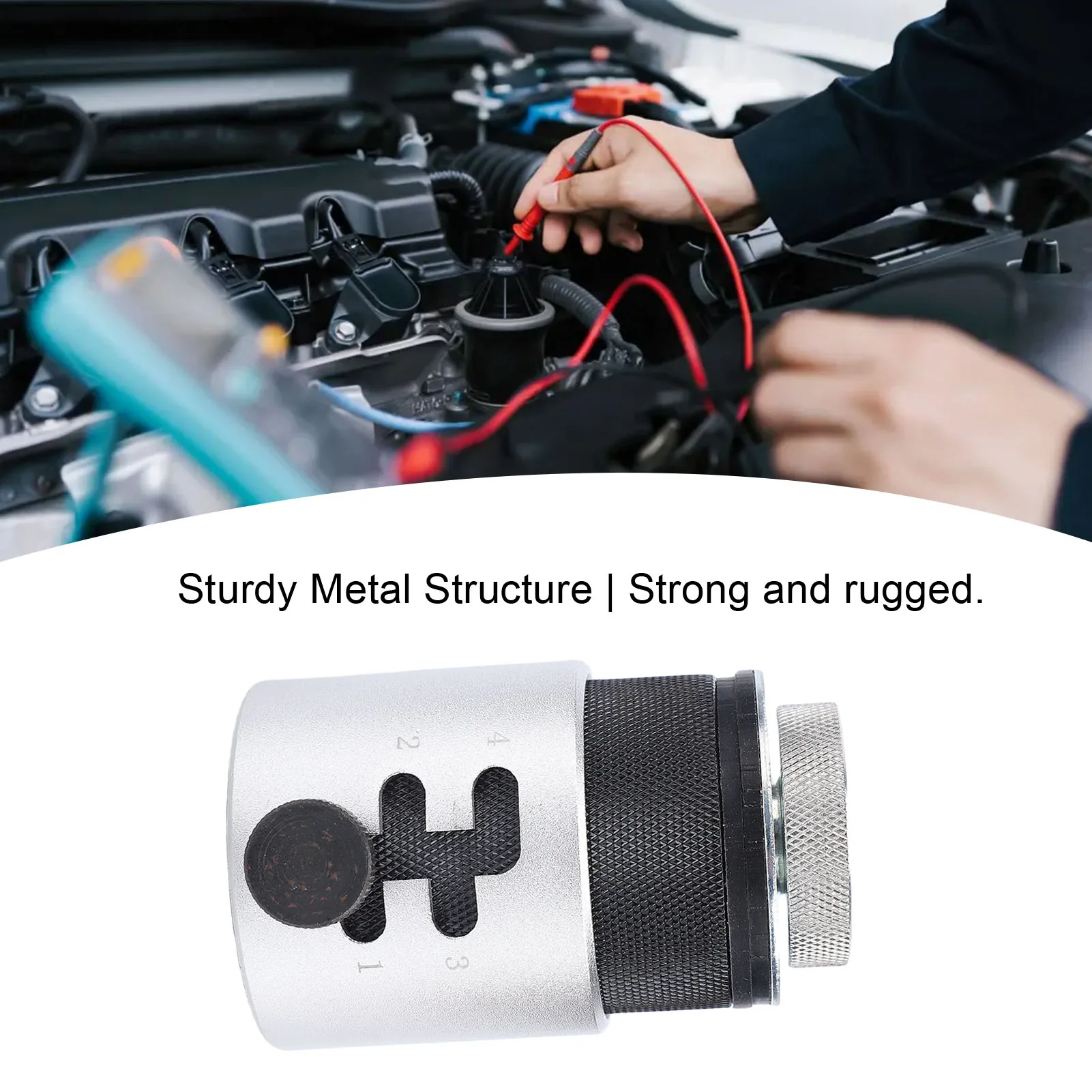
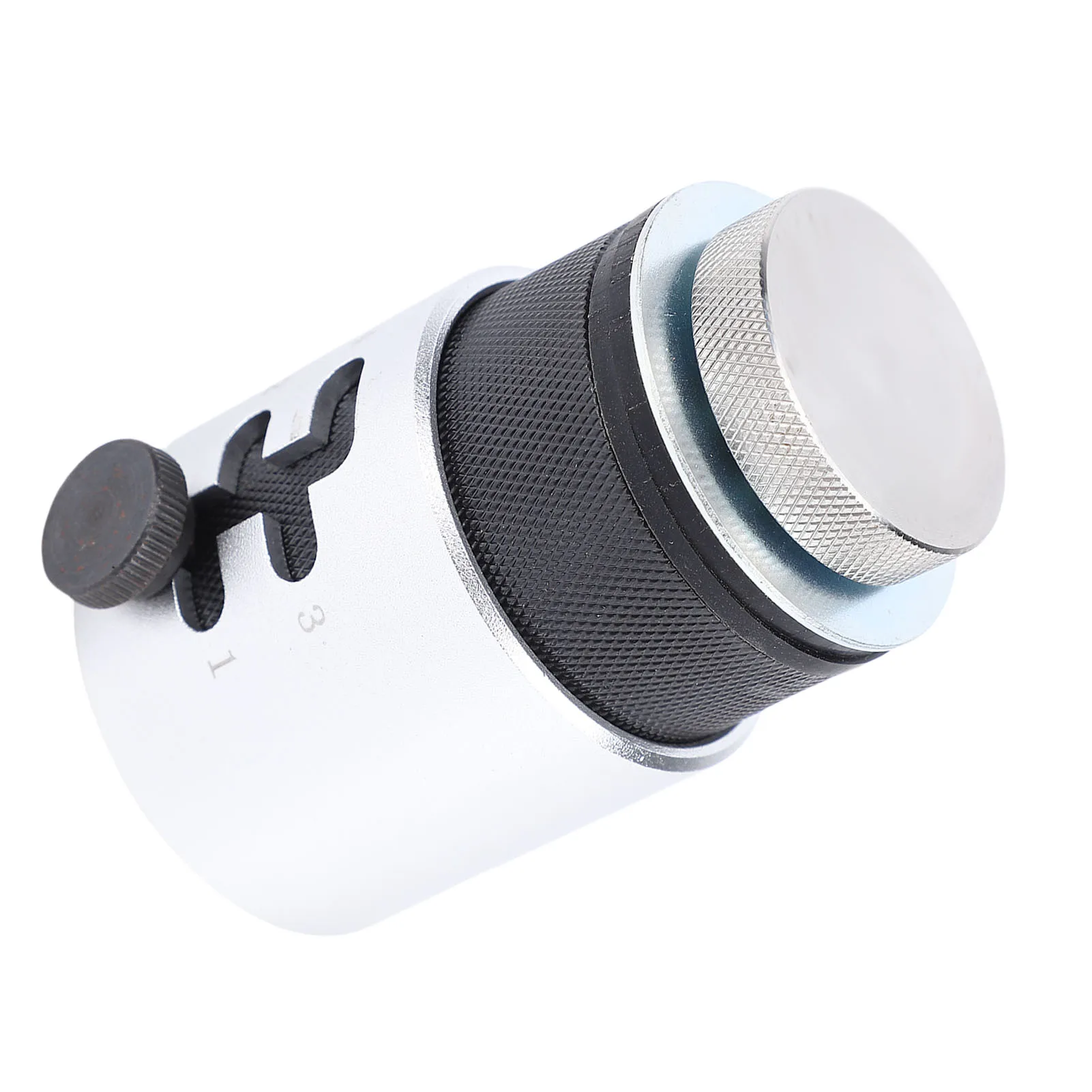
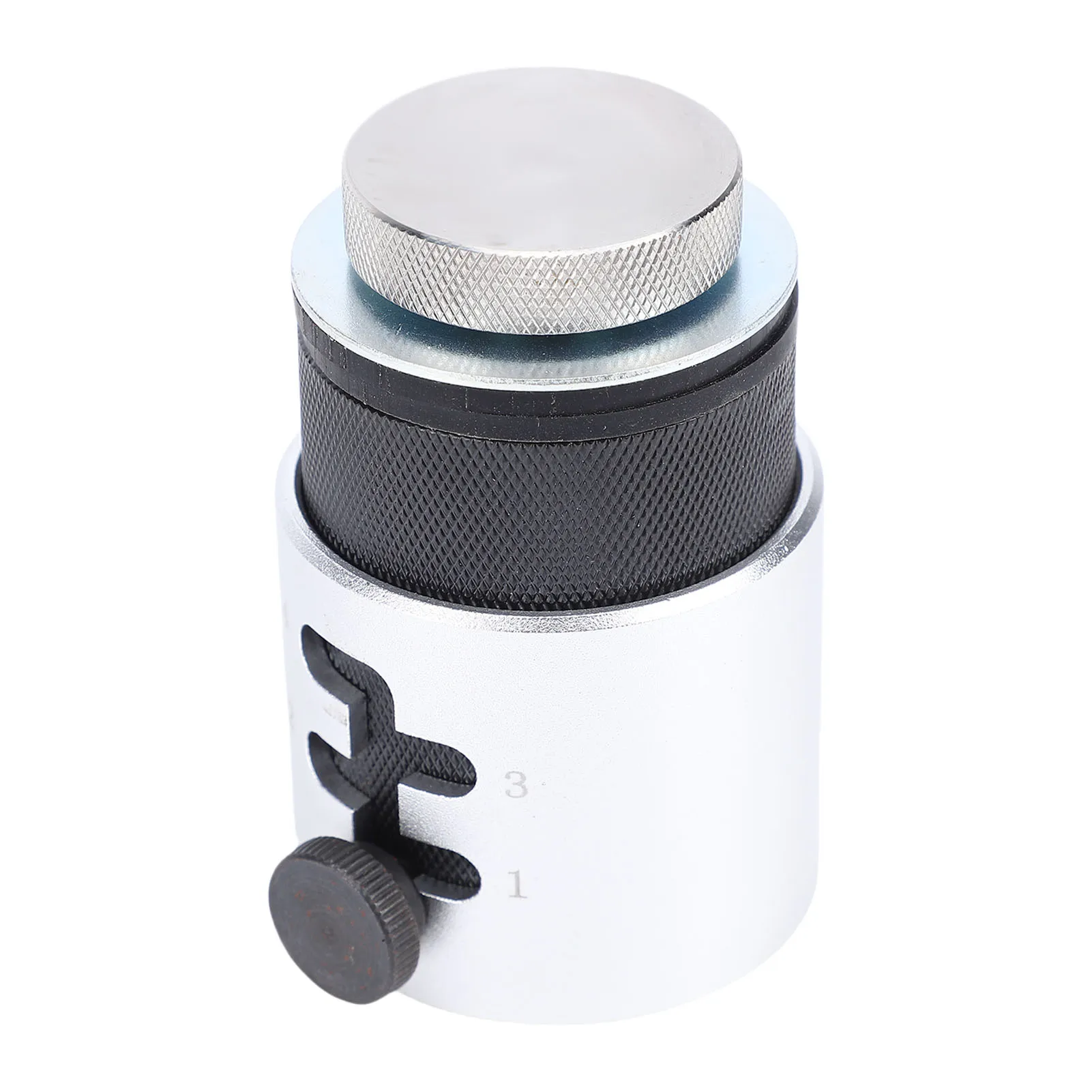
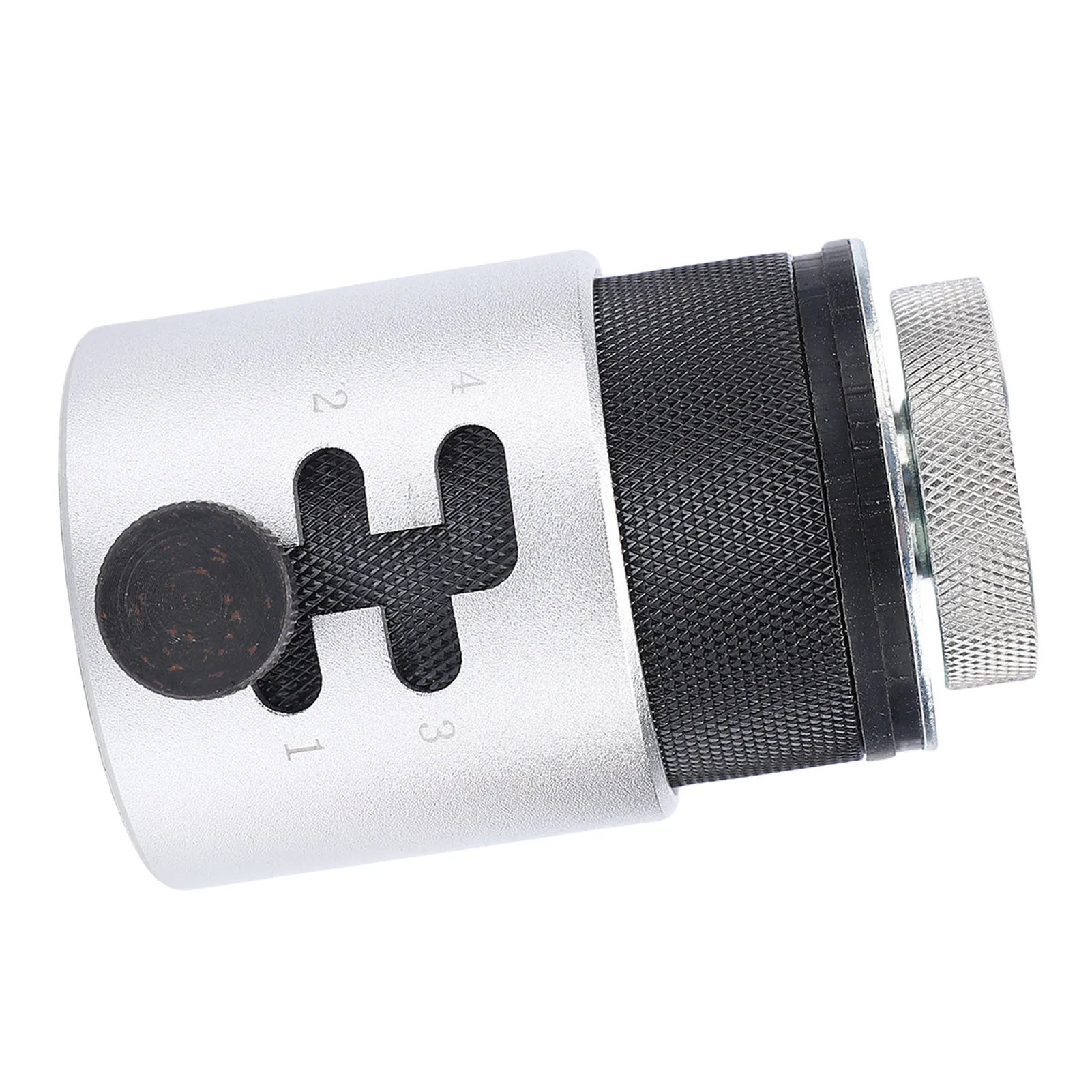
Working on a bare board is the moment a third hand becomes necessary: the iron, the solder and the tweezers all have to be somewhere at once, and a board that slides across the bench is the usual reason a joint ends up cold or a pad lifts off. This stand holds the board so both hands stay free for the iron and the part, and its four angle positions let you turn the work towards you rather than leaning over it, which is the difference between reading a small silkscreen marking comfortably and guessing at it under a lamp. It is offered as a replacement for the Omnivise style of holder, so if you already work with one of those and the base, the screw or the clamp has given up, this is the piece to compare against what you have. Before ordering, check three things. First, the maximum board width the jaws open to, because a long panel needs far more reach than a small module. Second, the thickness the clamp grabs, since some holders are cut for a bare board while others accept one with components already fitted. Third, how the base sits, because a light base that is neither clamped nor weighted down will shift when you push the iron into a joint. What it will not do is counterbalance a board much heavier than its own base.
Product images

Pros & cons
Pros
- Four angle positions turn the board towards you, so fine markings can be read instead of guessed
- Holds the board still, which is what keeps solder joints from ending up cold
- Offered as a replacement for the Omnivise type, so an existing setup can be repaired rather than replaced
- Leaves both hands free for the iron, the solder and the tweezers at the same time
Cons
- Maximum jaw opening is not stated, and a long panel board may need more reach than this offers
- It may be cut for a bare board rather than one with tall components already fitted
- A base that is neither clamped nor weighted will shift under the pressure of the iron
- It will not counterbalance a board much heavier than the stand itself