iPhone OLED Screen Replacement (13 / 14 / 15 / 15 Pro / 16 Pro Max): True Tone Support and What to Check First

Images and product details come from third-party platforms and belong to their respective owners. They are shown for reference only.
Affiliate link — we may earn a commission at no extra cost to you.
About this product
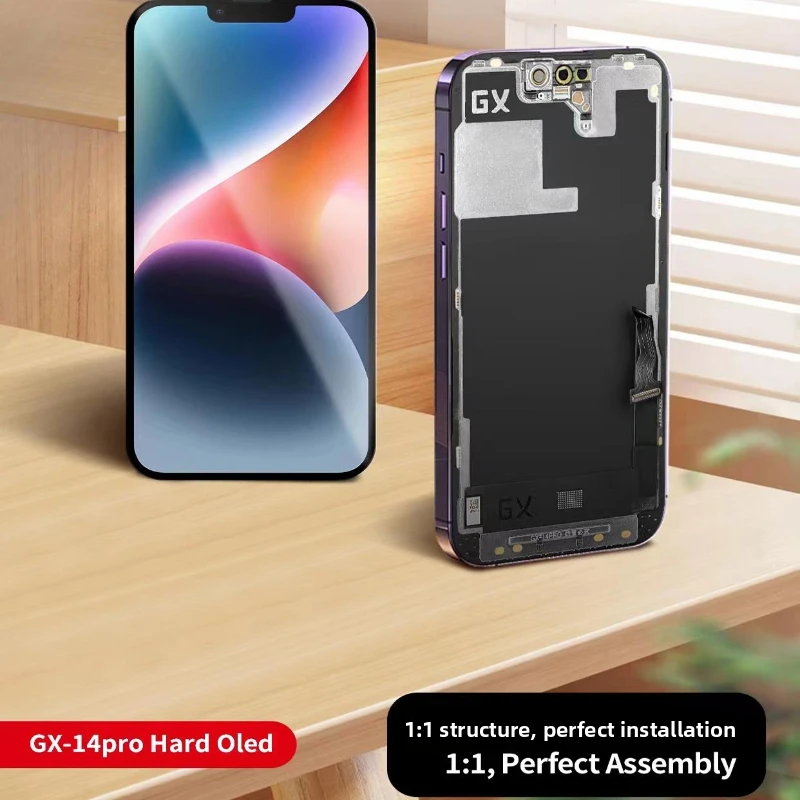
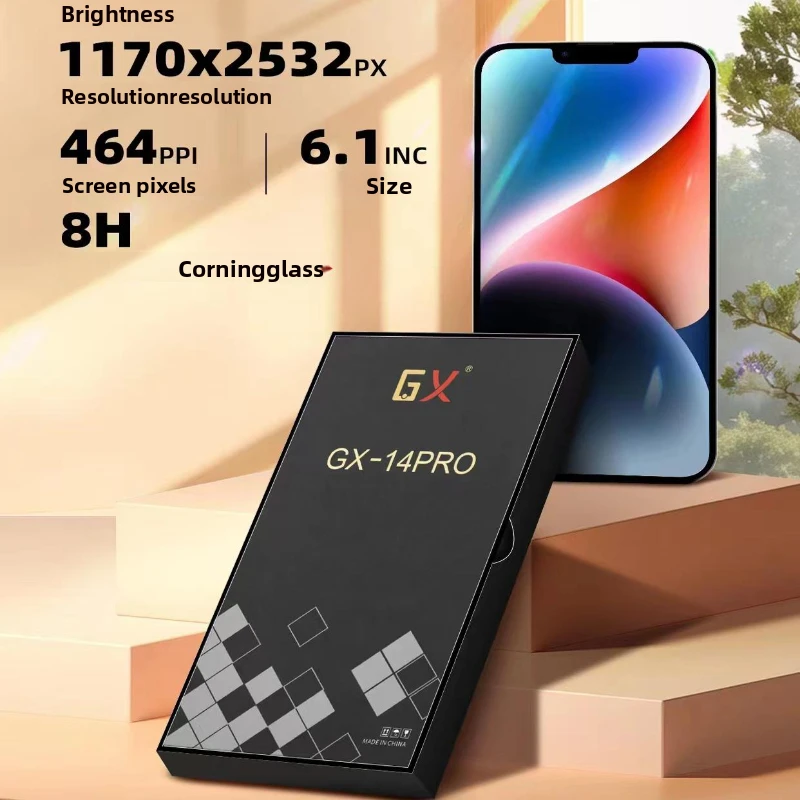
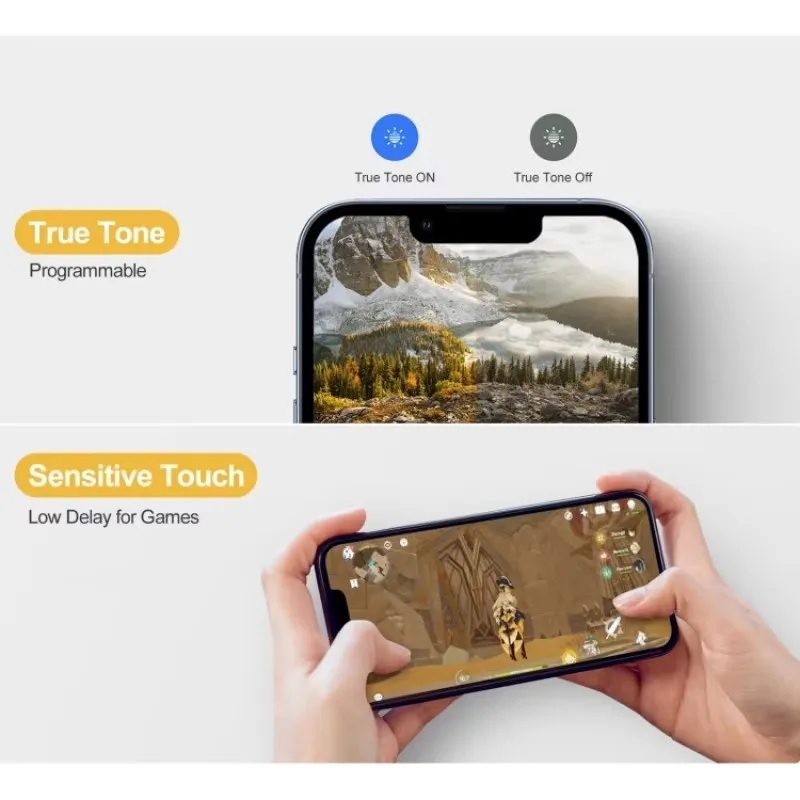
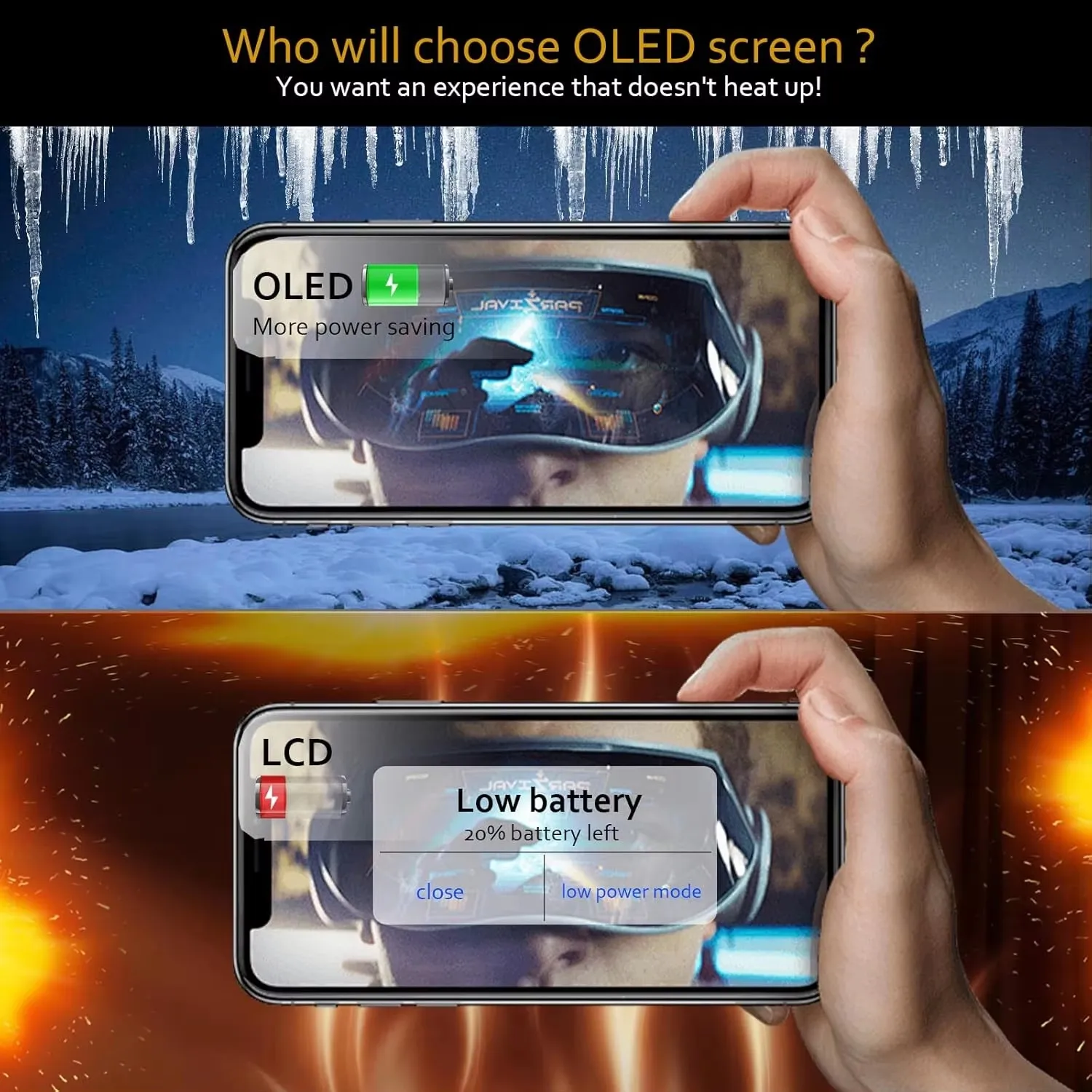
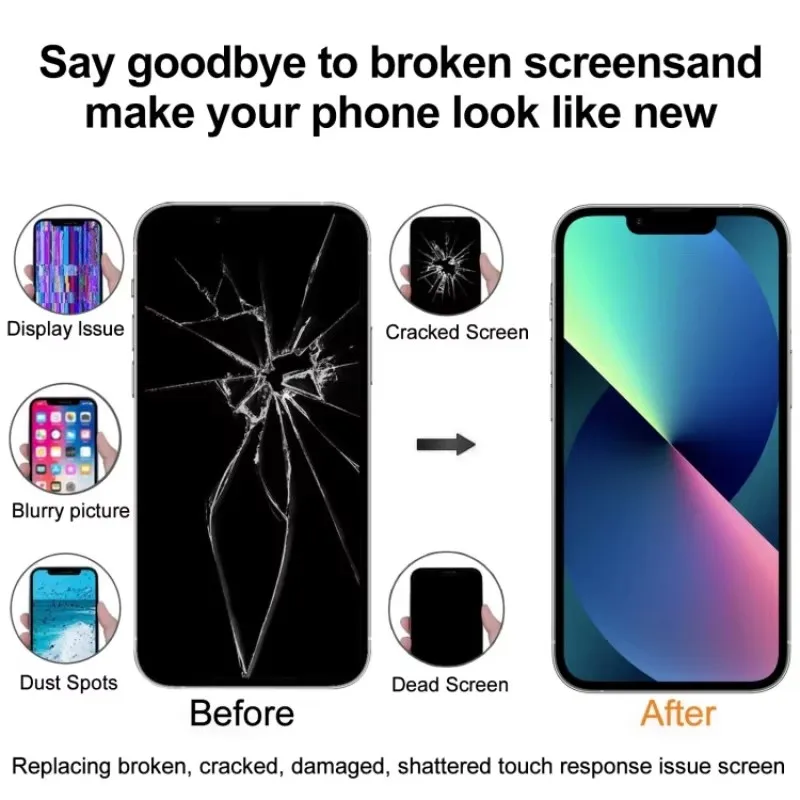
A cracked iPhone screen announces itself in a few recognisable ways: green or pink vertical lines, a black shadow that grows from the corner after a drop, patches where touch stops responding, or a screen that works but has lost True Tone because an earlier repair swapped the display without transferring the original data. Before ordering, match your exact model - this display is listed for the iPhone 13, 14, 15, 15 Pro and 16 Pro Max, and a 15 Pro panel will not fit a standard 15. OLED is the panel type that keeps the deep blacks and contrast the phone had from new, and the listing states True Tone support and includes a basic tool kit, which saves buying picks and drivers separately. Confirm with the seller whether True Tone needs a programmer or chip transfer during the repair, and what brightness and glass quality the panel is; for a first repair, having a shop do the swap avoids damaging the frame or the Face ID module.
Product images
Pros & cons
Pros
- OLED panel, the type that keeps the deep blacks and contrast the phone had from new
- The listing states True Tone support, so a repair does not have to lose that feature
- Comes with a basic tool kit, saving a separate purchase of picks and drivers
- Fits several generations in one product line: iPhone 13, 14, 15, 15 Pro and 16 Pro Max
- Strong recent sales volume with 98% positive feedback
Cons
- Match your exact model - a 15 Pro panel does not fit a standard 15, and the same is true across the range
- True Tone may need a programmer or chip transfer during installation; confirm with the seller beforehand
- The listing does not state the panel brightness or glass grade, which is where cheap replacements differ most
- DIY installation risks damaging the frame and the Face ID module - a repair shop is the safer route if you are unsure