M5Stack StickS3 vs StickC PLUS2: Which ESP32-S3 8MB Stick Controller Fits Your IoT Project?
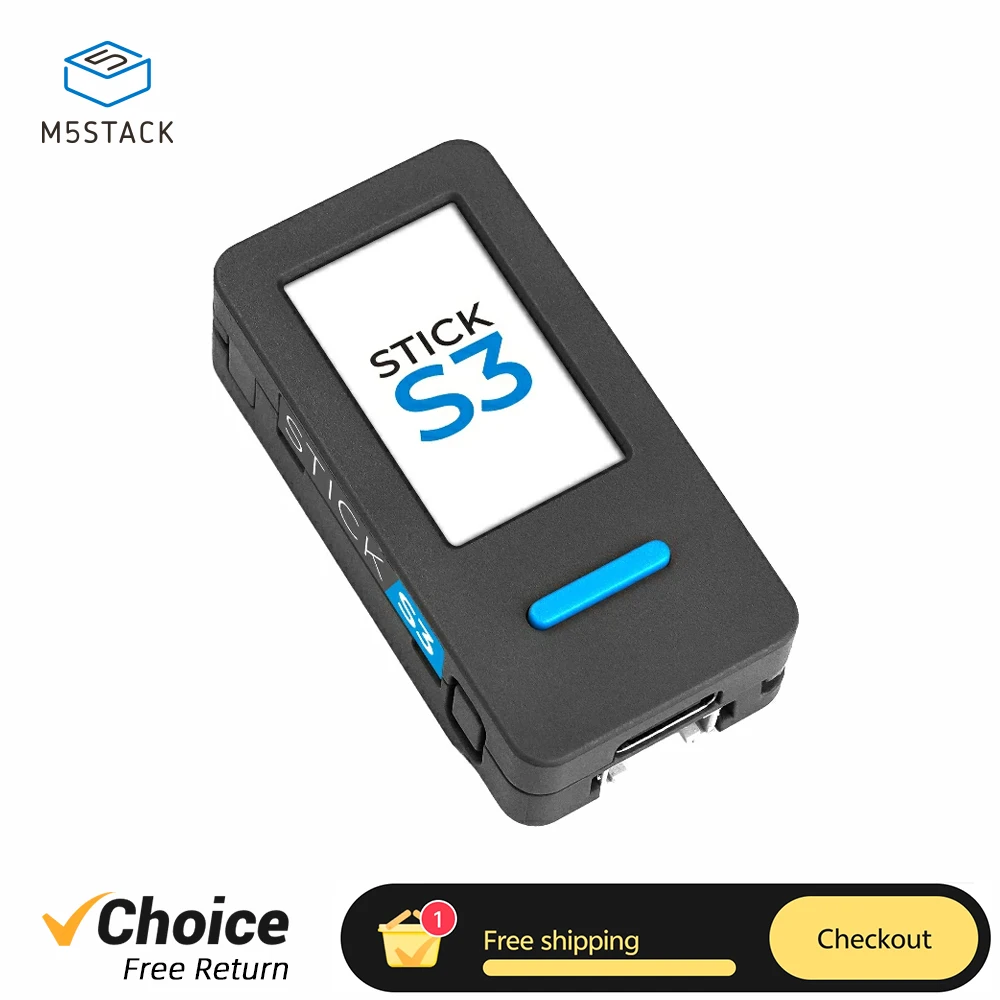
Images and product details come from third-party platforms and belong to their respective owners. They are shown for reference only.
Affiliate link — we may earn a commission at no extra cost to you.
About this product
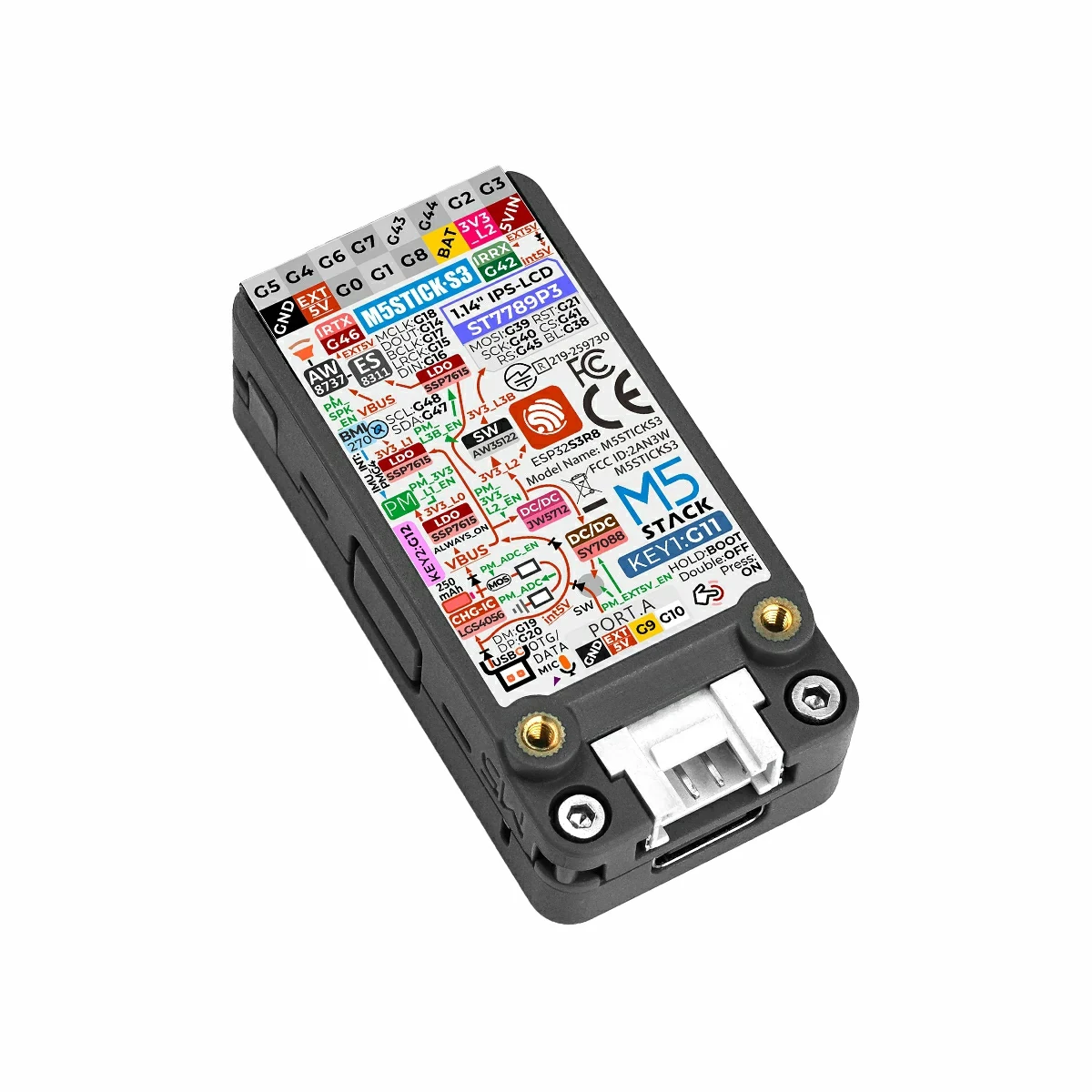
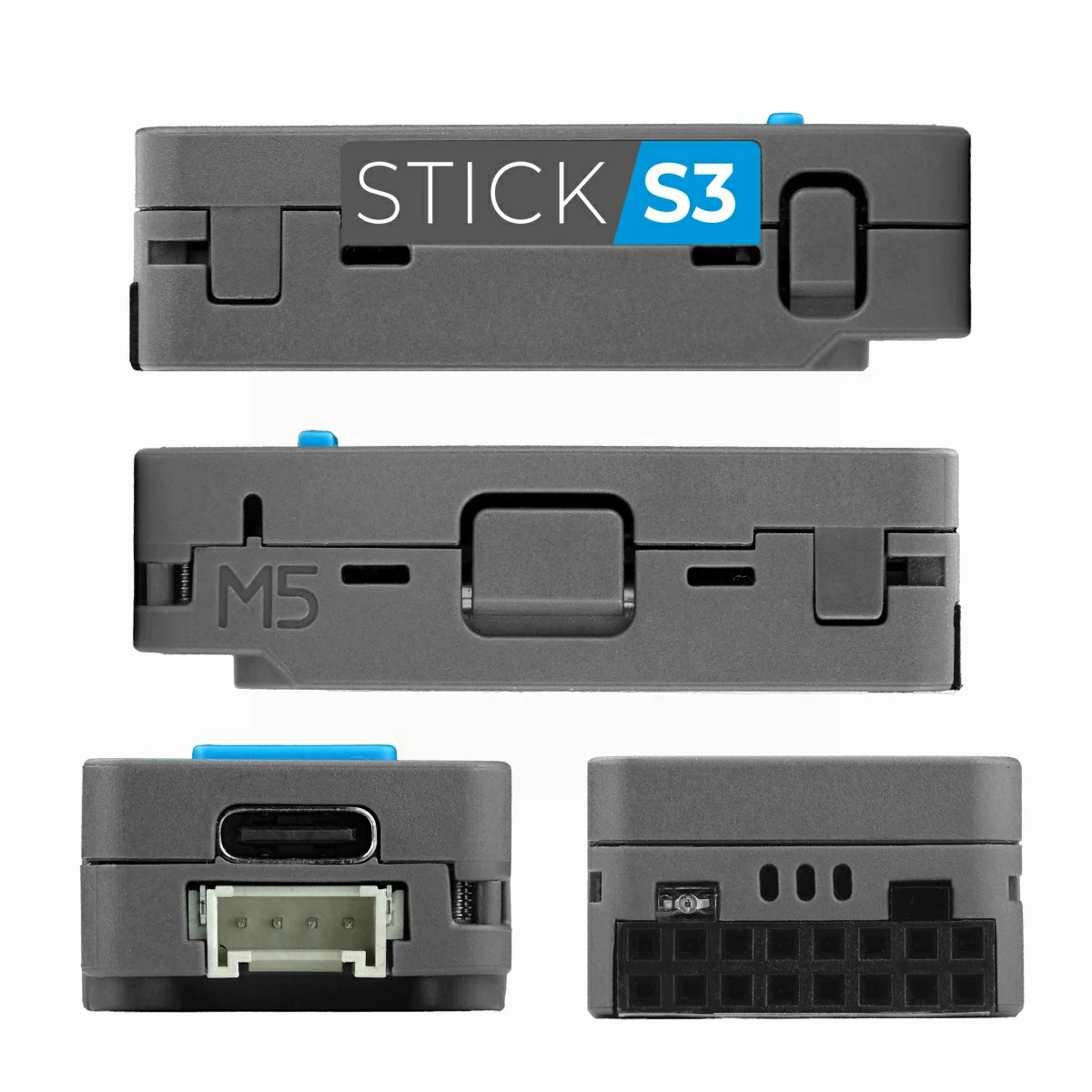
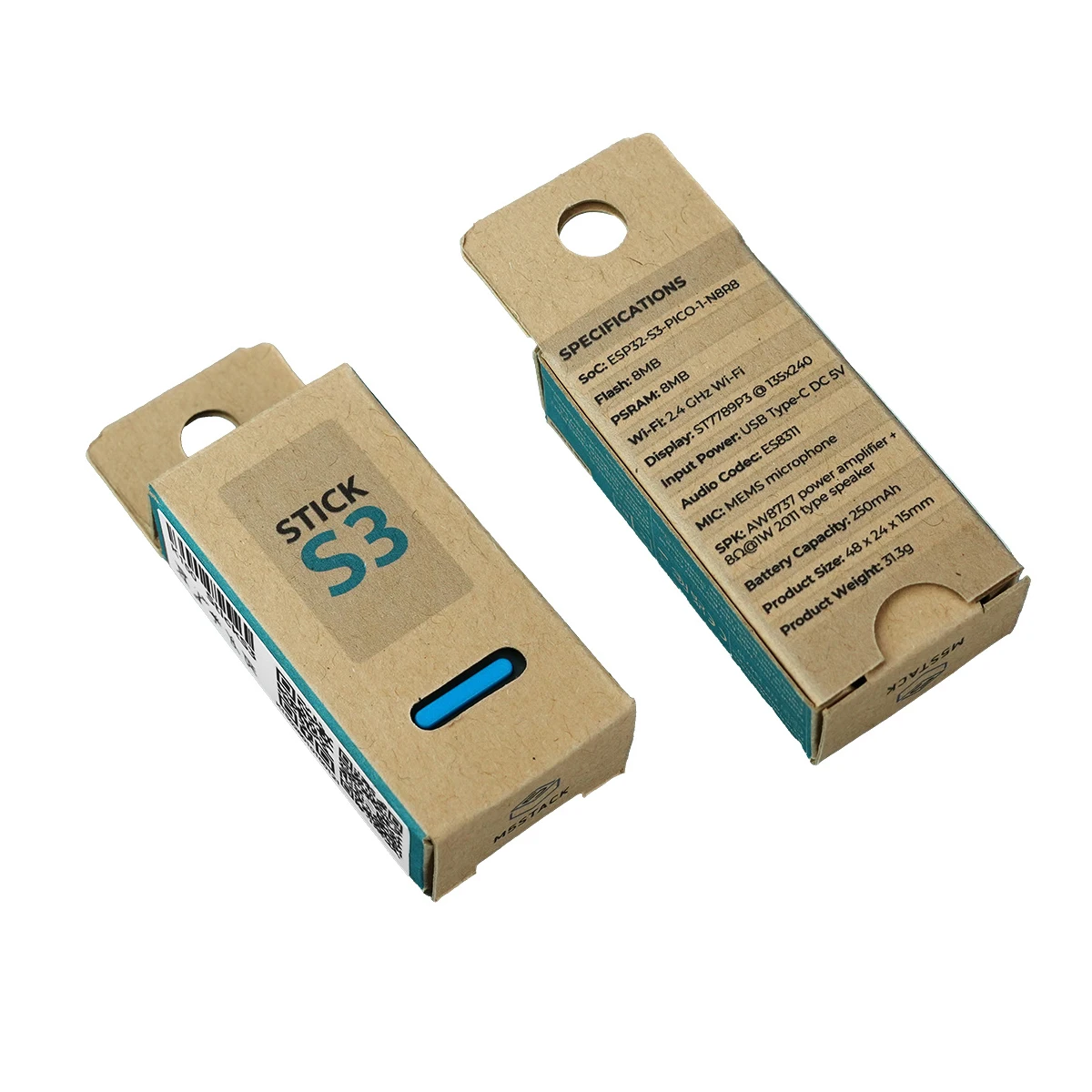
If you are choosing between the M5Stack stick boards for a small IoT or HMI build, the decision comes down to how much you need the board to do. These are keychain-format ESP32-S3 controllers with built-in Wi-Fi and Bluetooth, a small colour display and buttons, aimed at IoT project development rather than soldering your own carrier board. The upgraded version listed here is specified at 8MB, which matters when your firmware is large - Wi-Fi stacks, graphics libraries and web UI all eat space - while a plain sensor node sending readings over MQTT does not need it. Before ordering, decide whether your project needs the extra ports and accessories (a Grove port, a battery base, a microphone or speaker), because those come from separate SKUs, and ask the seller whether the 8MB refers to firmware flash or to PSRAM. Buying the bigger board you do not use is wasted budget; buying the smaller one for a display-heavy project means cutting features.
Product images


Pros & cons
Pros
- ESP32-S3 controller with Wi-Fi and Bluetooth built in, ready for IoT development without a custom carrier board
- Keychain footprint with an onboard colour display and buttons, so a project is usable without extra hardware
- The upgraded 8MB version leaves room for larger firmware, graphics libraries and a web UI
- Strong recent sales volume and 98% positive feedback from buyers
- Popular with people building small HMI panels, sensors and portable gadgets
Cons
- Confirm with the seller whether the listed 8MB is firmware flash or PSRAM - it changes what you can plan
- Several StickC and StickS3 variants exist with different screens, buttons and ports; accessories are not interchangeable
- Battery base, Grove modules, microphone and speaker are separate purchases
- The small display limits interface-heavy projects; a bigger board is the better answer for a large touch UI